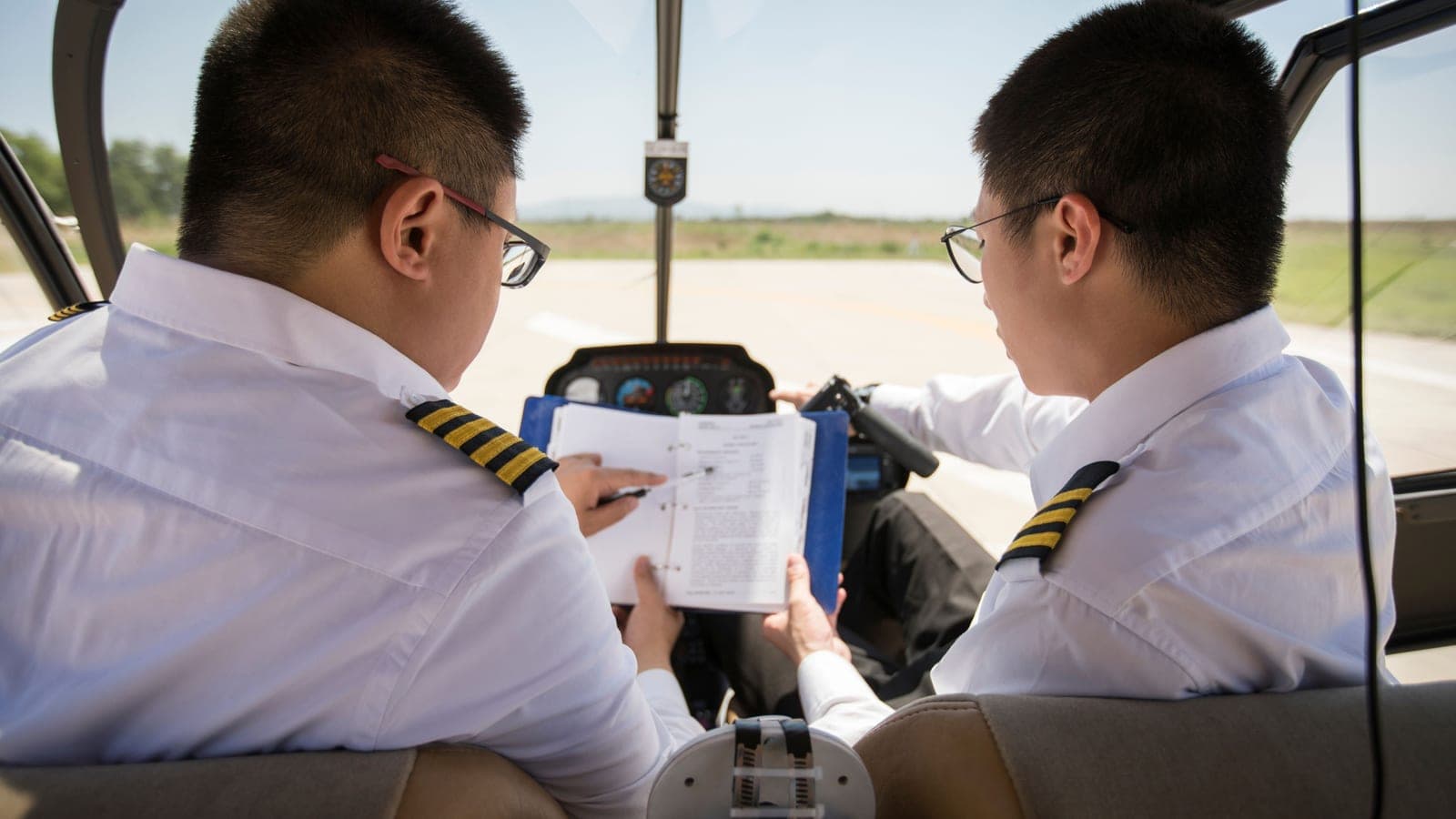
A no-show at a flight school isn't like a no-show at a restaurant. The aircraft was pre-flighted. The instructor blocked their morning. The fuel was topped off. When a student doesn't appear, you're not just out a reservation — you're out real money, and that slot can't be recovered. Most flight schools don't even track their no-show rate — which makes it impossible to know how much the problem is actually costing them.
And yet most flight schools treat no-shows as an inevitable part of operations, something to shrug off rather than solve. They're not inevitable. They're a symptom of a booking system that doesn't give students enough accountability or visibility into what they've committed to.
Here's what actually causes no-shows — and how to design them out of your operation.
Why No-Shows Happen
Before you can fix the problem, it helps to understand the mechanics behind it. At most flight schools, no-shows trace back to one of four causes:
1. The student didn't realize how soon the booking was. When a student books two weeks out and gets no reminder, it's genuinely easy to forget — especially students who are early in training and don't have a deep habit of checking a flight schedule. A booking that lives only in a shared spreadsheet or the school's calendar (which the student can't see) is a booking that exists in the school's world, not theirs.
2. Something came up and canceling felt hard. If canceling requires calling the school, sending an email, or navigating an unclear process, some students will just not show up rather than deal with the friction. This is especially common for students who are slightly embarrassed to cancel or who assume the school will "figure it out."
3. The student didn't believe the slot was really confirmed. In schools that require admin approval for bookings, students sometimes show up uncertain whether their request was actually accepted. Conversely, if a student never gets a confirmation, they may not have taken the commitment seriously.
4. Systemic overbooking or scheduling confusion. Manual scheduling creates double-booking risk. When a student discovers their aircraft is already out when they arrive, they leave — and may or may not tell you what happened. From the school's perspective, that looks like a no-show.
The Fix: Make Commitment Visible and Cancellation Easy
These two things sound like they pull in opposite directions. They don't.
When students can see their upcoming bookings clearly — on their phone, with a confirmed status, with the date and aircraft in plain view — they remember the commitment. When canceling is frictionless — a button in an app, no awkward phone call — they actually do it instead of ghosting.
The schools with the lowest no-show rates aren't stricter; they're more transparent. Their students feel accountable because they have a real-time view of what they've committed to, and they cancel proactively because it's easy.
What a Better Booking System Looks Like
Status clarity at every step. A booking should move through clear states — Pending, Confirmed, Cancelled, Completed — and the student should be able to see exactly where their request stands at any time. No more "did they get my email?" anxiety.
Confirmation notifications. When an admin confirms or rejects a booking, the student should know immediately. An automatic notification closes the loop and signals that someone is paying attention.
Student self-service cancellation. Students should be able to cancel a pending booking on their own, without calling. Set a window (say, 24 hours before the flight) inside which self-service cancellation is allowed; after that, they have to call. This single change eliminates a large fraction of no-shows.
Admin visibility before it's too late. A dashboard that shows tomorrow's confirmed bookings — with quick access to cancel or reschedule — lets your team catch problems the evening before, not the morning of.
For a full breakdown of what to look for when choosing a booking platform, see our flight school booking software guide.
The Knock-On Effect: Better Fleet Utilization
No-shows don't just waste the immediate slot. They compress your available booking window for other students and create the impression that your school is harder to schedule with than it actually is.
When students can see real-time availability and book immediately — rather than submitting a request and waiting — they're more likely to fill slots quickly. Availability that updates the moment a cancellation happens means other students can grab the slot before you even notice it's open.
What SkyFSBookings Does
SkyFSBookings gives every student their own portal with a live view of their bookings and status. Booking requests move through a Pending → Confirmed flow with admin approval, and students get notified the moment their status changes.
Students can cancel their own pending bookings directly from the portal — no call required. Admins see all confirmed bookings on a central dashboard, making it easy to spot and address gaps before they become no-shows.
The booking calendar only shows available aircraft in real time, so students always know what's actually open — and can fill it.
If no-shows are costing your school time and money, start a free trial and see how much of that problem disappears when students have full visibility into what they've committed to.